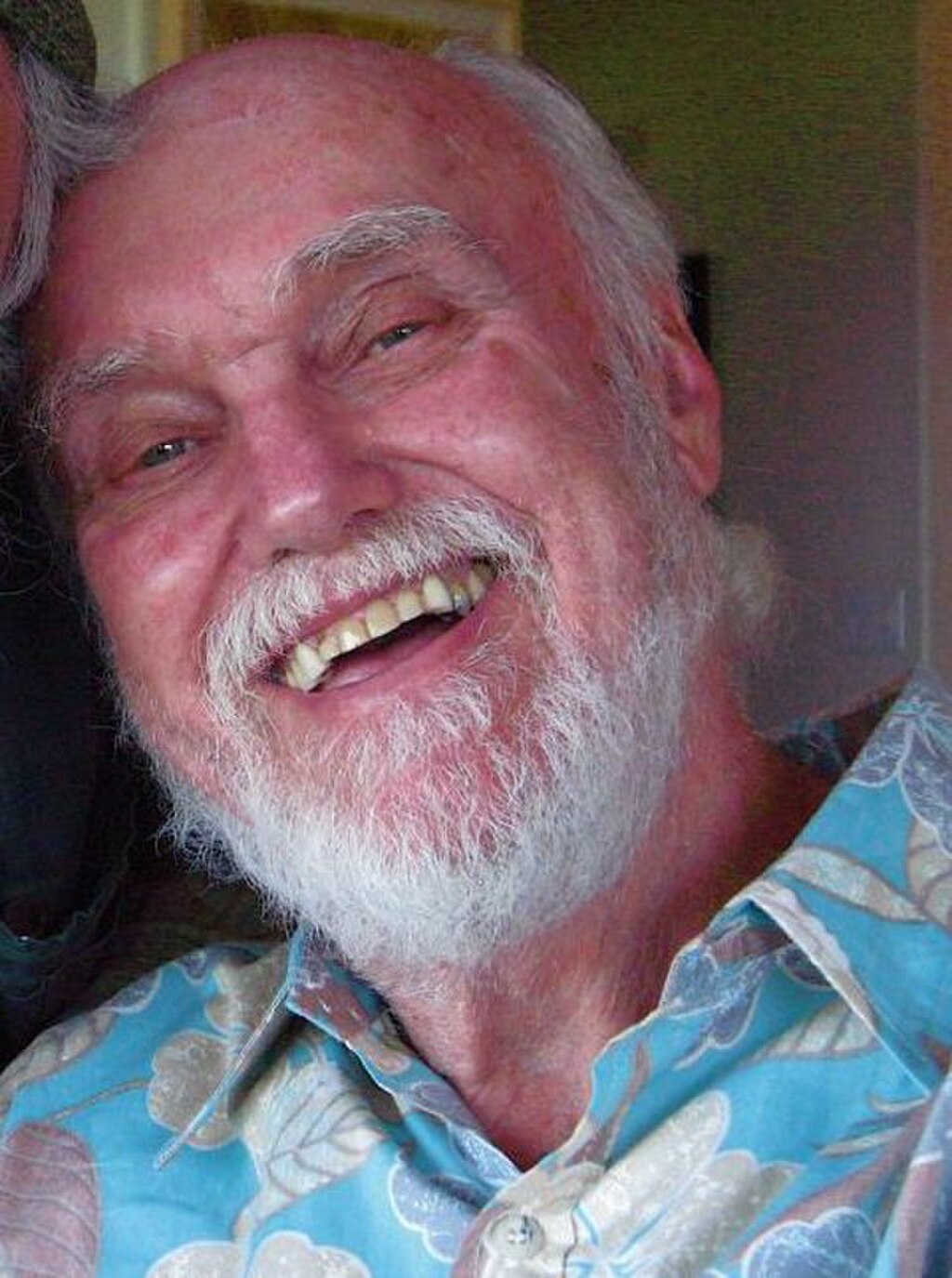
Seeing Beyond Desire: The Clarity of Acceptance
Ram Dass poignantly states, "As long as you have certain desires about how it ought to be, you can't see how it is." This assertion invites us to reflect on the nature of our desires and how they cloud our perception of reality. In a world often driven by expectations and aspirations, this teaching serves as a gentle reminder of the importance of acceptance and presence. The stakes are high; our ability to truly see and engage with life hinges on our willingness to let go of preconceived notions and embrace the present moment as it is.
In a culture that often equates success with the fulfillment of desires, Ram Dass's words resonate deeply. They challenge us to examine the ways in which our desires shape our experiences and perceptions. When we cling to specific outcomes, we risk missing the richness of life unfolding around us. This quote invites us to cultivate a sense of openness and receptivity, allowing us to experience life in its fullness rather than through the narrow lens of our expectations.
The image / the metaphor
At the heart of Ram Dass's quote lies a vivid imagery of desire as a veil that obscures our vision. The verbs "have" and "see" suggest an active engagement with both our inner landscape and the external world. When we "have" desires, we are often in a state of grasping, holding tightly to what we want or believe should be. This clinging creates a barrier, preventing us from perceiving reality as it truly is. The felt sense of this experience can be likened to trying to look through a fogged window; our desires distort and obscure the clarity of the view beyond.
Diving deeper into the metaphor, we can understand desire not merely as a personal longing but as a fundamental aspect of the human condition. It is a force that drives us, yet it can also entrap us in cycles of dissatisfaction and yearning. When we are fixated on how things "ought to be," we become prisoners of our own making, unable to appreciate the beauty and complexity of the present moment. The invitation here is to recognize this dynamic and to cultivate a practice of letting go, allowing us to experience life with fresh eyes.
In the speaker's tradition
Ram Dass's teachings are deeply rooted in the Hindu tradition, where concepts such as dharma and bhakti illuminate the path toward acceptance and clarity. Dharma, or one's rightful duty, encourages us to align our actions with the flow of life rather than resist it. In this context, desire can be seen as a distraction from our true purpose, leading us away from the essence of who we are. Bhakti, the path of devotion, emphasizes surrender and love, inviting us to release our desires and trust in the divine unfolding of life.
In the Bhagavad Gita, a foundational text in Hindu philosophy, Krishna advises Arjuna to act without attachment to the fruits of his actions. This teaching echoes Ram Dass's sentiment, suggesting that true clarity arises when we engage with life authentically, free from the burdens of expectation. The Gita's wisdom encourages us to embrace our experiences as they are, fostering a deeper understanding of our place in the universe and the interconnectedness of all beings.
Living the teaching
Consider a modern scenario where this teaching might resonate: a professional striving for a promotion. The desire for recognition and advancement can cloud one's ability to appreciate the current role and the relationships built within it. When fixated on the outcome, the individual may overlook opportunities for growth and connection that exist in the present moment. By practicing acceptance and focusing on the here and now, one can cultivate a sense of fulfillment that transcends external validation.
In the realm of relationships, this teaching can be particularly transformative. Imagine a couple navigating a conflict, each holding onto their desires for how the other should behave or respond. This fixation can lead to misunderstandings and resentment, obscuring the love and connection that initially brought them together. By letting go of these expectations and embracing acceptance, they can create space for genuine dialogue and deeper understanding, ultimately strengthening their bond.
A reflection
As we contemplate Ram Dass's words, we are invited to explore the nature of our own desires and how they shape our perception of reality. What expectations are you holding onto that may be clouding your vision? In what ways can you practice acceptance in your daily life, allowing yourself to see the beauty of the present moment without the filter of desire? This inquiry can serve as a powerful catalyst for transformation, guiding us toward a more authentic and fulfilling existence.



Join the BrightStar Community
Stay connected with daily inspiration, event announcements, and community wisdom