The Art of Letting Go: A Journey into Spiritual Practice
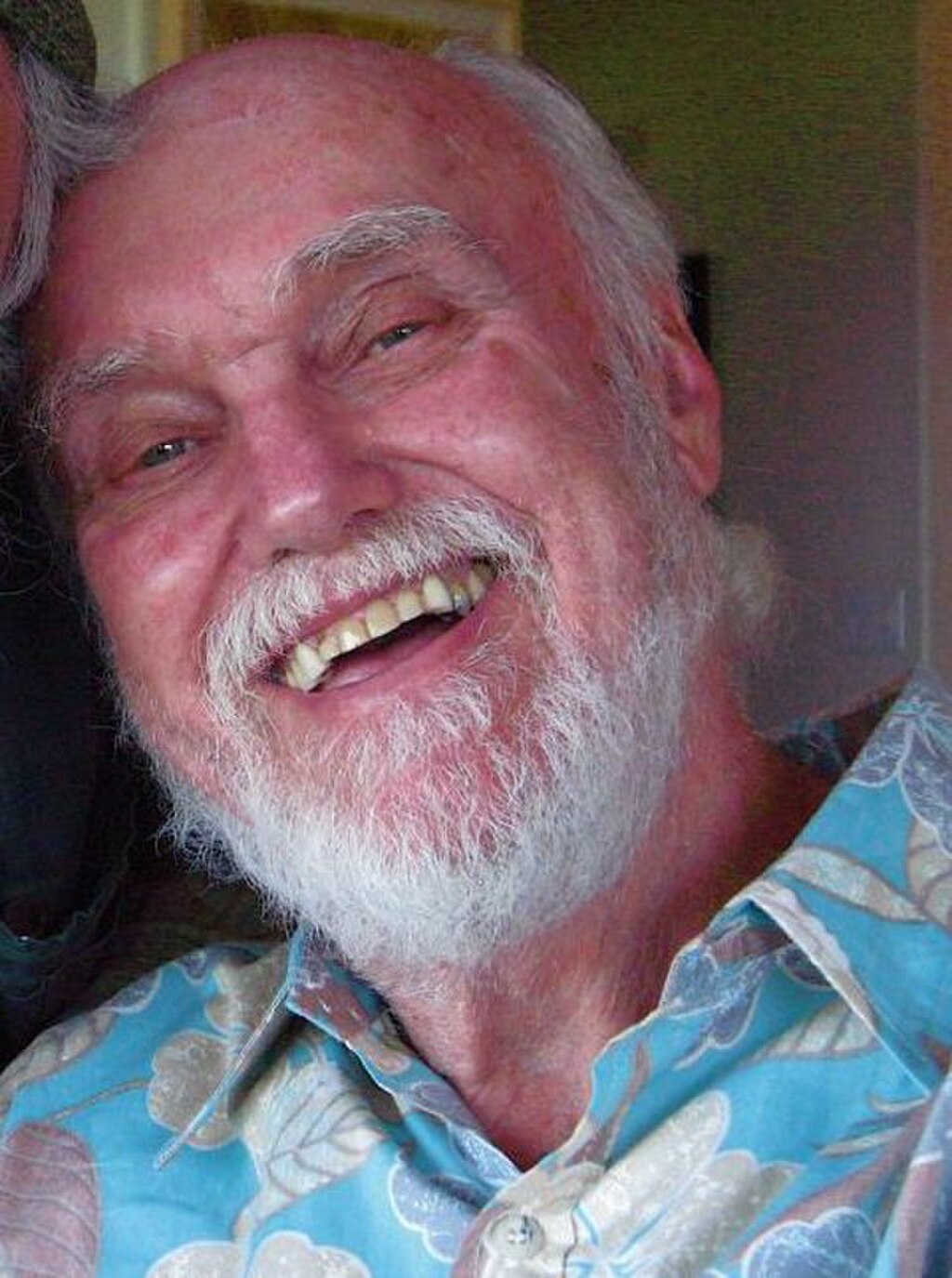
Ram Dass's assertion that "all spiritual practice is really about letting go" invites us to explore the profound depths of our inner lives. This statement encapsulates the essence of spiritual growth, suggesting that the path to enlightenment is not one of accumulation but of release. In a world that often equates success with possession and control, this teaching challenges us to reconsider what it means to truly live a spiritual life. The stakes are high; our ability to let go can determine our capacity for joy, connection, and authenticity.
As we delve deeper into this idea, we recognize that letting go is not merely an act of relinquishment but a transformative process that leads to greater clarity and understanding. It is an invitation to release our attachments—be they to material possessions, past grievances, or even our self-identities. This journey of letting go is not a one-time event but a continual practice, one that requires courage and vulnerability. In embracing this teaching, we open ourselves to the possibility of a more profound existence, one that is rooted in presence rather than in the clutches of our desires.
The image / the metaphor
The imagery of "letting go" evokes a sense of lightness and freedom, suggesting a release from the burdens we carry. The verb "let" implies an active choice, a conscious decision to unshackle ourselves from the weight of our attachments. This act is not passive; it requires awareness and intention. When we let go, we create space within ourselves, allowing for new experiences and insights to emerge. The felt sense of this process can be likened to the gentle unfolding of a flower, where each petal that drops away reveals the beauty of what lies beneath.
Diving deeper into this metaphor, we can see that letting go is akin to the process of purification. Just as a sculptor chisels away excess stone to reveal the statue within, our spiritual practice involves removing the layers of ego and illusion that obscure our true nature. This metaphor invites us to consider what we might be clinging to that no longer serves us. In this light, letting go becomes an act of creation, a way to uncover the essence of who we are beyond our conditioned responses and societal expectations.
In the speaker's tradition
Ram Dass's teachings are deeply rooted in the Hindu tradition, which emphasizes concepts such as dharma, the natural order of the universe, and bhakti, the path of devotion. Letting go aligns closely with the notion of kenosis, or self-emptying, found in various spiritual traditions. This process of surrendering the self is essential for realizing sunyata, or emptiness, which is a central tenet in Buddhist philosophy as well. By letting go of our attachments and preconceived notions, we can align ourselves more closely with our true dharma, allowing the divine flow of life to guide us.
A relevant text that echoes this sentiment is the Bhagavad Gita, where Lord Krishna advises Arjuna to perform his duty without attachment to the fruits of his actions. This teaching underscores the importance of engaging in the world while simultaneously releasing our grip on outcomes. It is through this balance of action and surrender that we can cultivate a deeper understanding of our place in the cosmos, ultimately leading us toward liberation.
Living the teaching
Consider a modern scenario where the teaching of letting go manifests in the workplace. Imagine a professional who has invested years in climbing the corporate ladder, only to find themselves feeling unfulfilled and stressed. By embracing the practice of letting go, this individual might begin to release their attachment to titles and promotions, allowing themselves to explore new avenues of creativity and collaboration. This shift can lead to a more authentic expression of their talents and a renewed sense of purpose, illustrating how letting go can open doors to unexpected opportunities.
A reflection
As we contemplate Ram Dass's profound insight, we are invited to reflect on our own lives: What attachments are we holding onto that may be hindering our spiritual growth? This question serves as a gentle prompt to examine the areas where we might be clinging too tightly, whether to material possessions, relationships, or even our self-concepts. In the spirit of letting go, we can begin to cultivate a practice of awareness, allowing ourselves to release what no longer serves us and embrace the freedom that comes with surrender.



Join the BrightStar Community
Stay connected with daily inspiration, event announcements, and community wisdom